We build
Web3 products.
Smart contracts, dApps and decentralized infrastructure, for our clients and for products of our own.

about us
Data Vallis is a Web3 development company from Maribor, Slovenia. For more than a decade we have been turning complex ideas into working software, and today we focus on what we know best: smart contracts, decentralized applications and the infrastructure behind them.
We don't just build for clients. We design, launch and run Web3 products of our own, like CHERR.IO, PollinationX, W3XShare and the PX dApp, so we know what it takes to get a decentralized product from whiteboard to mainnet, and to keep it running once real users arrive.
what we build
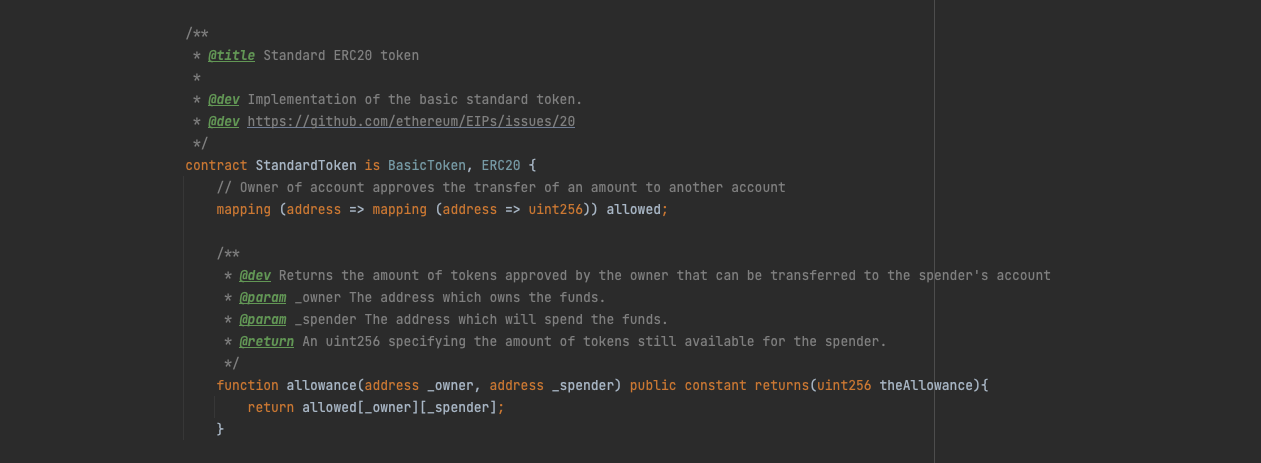
Solidity smart contracts for tokens, NFTs, escrow, payments and on-chain governance. Designed for security from the first line, fully tested and documented, so your logic runs exactly as agreed, without intermediaries.
End-to-end decentralized applications: product design, wallet onboarding that works for non-crypto users, front-end, back-end and smart contracts. We take your product from prototype to launch and keep it running.
Decentralized storage, IPFS, APIs and SDKs, built on the experience of running our own infrastructure layer, PollinationX. We connect blockchain with your existing systems so data and services work together.
Not everything needs a blockchain. We map your processes and build the right software for them, from custom web platforms to automation, adding Web3 only where it brings real transparency, trust or savings.
our products
A donation platform where every cent is on the record. Donations are held in a smart-contract escrow for each campaign and released to verified charities in steps, only after donors review the receipts and vote. If a campaign falls short or donors reject the evidence, they get their money back or pass it to the Emergency Pool. Donors can give by card or crypto wallet, no crypto knowledge needed, and charities are ranked publicly by a Trust Score on the Charity Market Cap.
An infrastructure layer that gives developers access to custom decentralized storage nodes through dedicated service APIs and an SDK, with read and write methods for supported decentralized storage out of the box. End users get dynamic NFTs with preset storage and bandwidth capacity.
A secure, self-custodial way to send encrypted data files from wallet to wallet. W3XShare combines blockchain networks, decentralized storage and communication protocols, and its modular architecture is also available as a white-label solution for launching your own data-sharing app.
A "Cloud Storage Drive" experience on decentralized storage. Users store and access files in a self-custodial, permissionless way and sync documents and photos across every device that supports a Web3 wallet.
The charity sector is dealing with a serious trust issue, namely funds which are sent to impoverished countries don’t always reach the intended recipients — but blockchain technology can provide a solution. The decentralized nature of blockchain technology can help narrow the trust deficit between givers and organizations. What is more, the fact that donations can be tied to smart contracts (which are one of the safest and most powerful tools for creating agreements between parties) is enabling donors to donate directly to those best in a position to help or in need. Givers, particularly younger ones, are now more likely than ever to demand more modern and easy ways to donate, as well as clearer indicators that their donation will surely make an impact.
Blockchain as a technology has the potential to change business models in almost every industry, so it is not a surprise that it is increasingly used in telecommunications. In this sector, companies are relying on blockchain in order to create more agile, flexible, and on-demand business and procurement models, payments through mobile wallet with blockchain, device identity and so on. Companies mostly see the opportunities for blockchain technology appliance in: fraud management, for example SMS billing, payment for services, identity-as-a-service, data management, and secure IoT connectivity.
Manufacturers are developing blockchain implementations that have the potential to help them streamline operations, gain greater visibility into supply chains and track assets in order to be able to meet delivery dates, improve product quality and sell more. However, with supply chains operating across multiple organizations, and countries, it can become difficult to gain transparency. Making matters worse, there is often no uniform method of recording, storing, and exchanging a big amount of data. Blockchain can scale transparency and trust through all stages of the industrial value chain, from sourcing raw materials to delivering the finished product.
There’s no question that the finance sector is changing. The traditional use of banks, currency and the way in which transactions happen is evolving at a rapid pace. And one of the important factors of this change are smart contracts. These promise to make transactions faster, easier, cheaper and more secure. Blockchains enable more open, inclusive, and secure business networks, shared operating models, more efficient processes, reduced costs, and new services in banking and finance. They enable digital securities to be issued within shorter periods of time, at lower costs. Digital financial instruments may expand the market for investors, decrease costs, and reduce risk.